Pre-Workout & Fuel Collection

What you take before &
what you take during

Endurance is a fuelling problem more than a fitness problem. Athletes don't usually run out of training — they run out of carbohydrate, hydration, and focus, in that order. Twelve formulations across the three moments of fuelling: priming the system before, sustaining it during effort, and getting the carbohydrate science right at race intensities.

  • 8 Formulations
  • 2 Fuelling Systems
  • 2:1 Multiple Transportable Carbs
  • 100% Batch Tested
Pre-Workout & Fuel

"At race intensity, your body doesn't fail because you weren't fit enough. It fails because it ran out of the fuel to be fit with."

— Unived Formulation Standard

✓ Third-party tested ✓ COA published ✓ No proprietary blends ✓ 100% vegan ✓ FSSAI compliant

8 products

Evidence Standard

Why we publish our evidence grades

Every product in the Sports range carries a published evidence grade — High, Moderate, or Emerging — based on the available RCT literature. We publish evidence grades even when they're Moderate, because honesty about what the science does and doesn't show is more valuable than inflated confidence.

Our Evidence Standard →

Common Questions

Sports nutrition questions, answered.

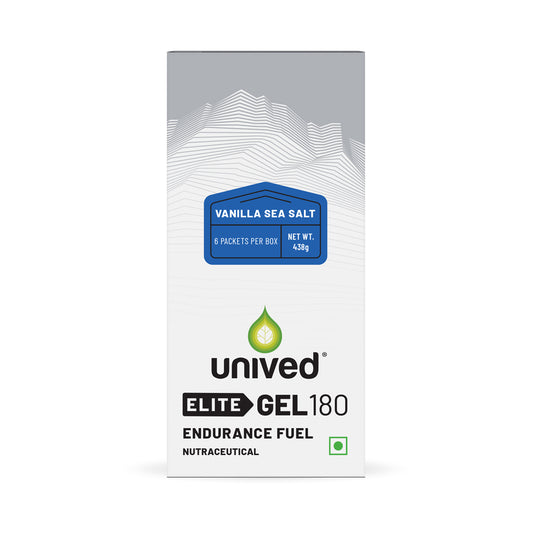
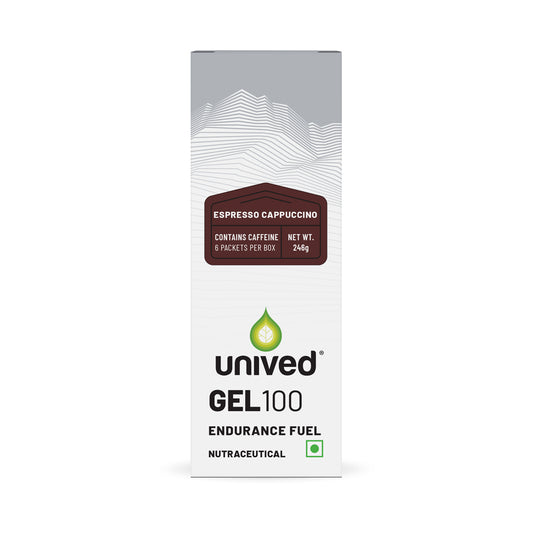
  • What's the difference between Elite Gel 180 and Gel 100? They're built for different intensities and different stomachs. Gel 100 is a single-carbohydrate gel — simpler formulation, 100 calories per gel, easier on the stomach, suitable for athletes new to fuelling or for training sessions at moderate intensity. Elite Gel 180 uses a 2:1 ratio of glucose to fructose — a formulation backed by carbohydrate-uptake research (Jeukendrup, 2010) showing the body can absorb significantly more carbohydrate per hour when it comes from two transporters working simultaneously. 180 calories per gel, for race-day intensities and long efforts where the body needs more fuel than a single-carb gel can deliver. Choose Gel 100 if you're starting out or training at moderate effort. Choose Elite Gel 180 if you're racing or training at race-pace.
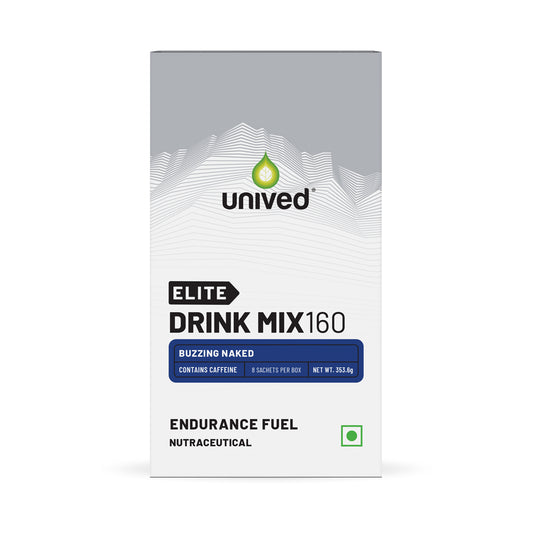
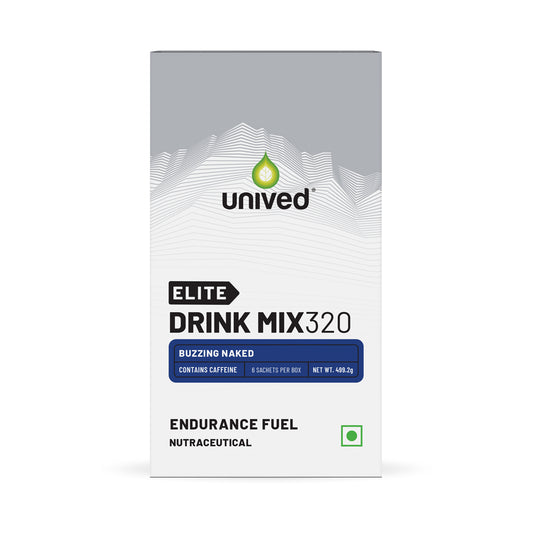
  • What's the difference between Elite Drink Mix 160 and Elite Drink Mix 320? The carb load. Drink Mix 160 delivers 160 calories per serving — appropriate for moderate sessions, hot-weather training, or athletes who tolerate lower concentrations better. Drink Mix 320 delivers double that, 320 calories per serving — designed for long sessions and race-day fuelling where carbohydrate intake of 60–90g per hour is the target. Both use the same 2:1 glucose-fructose ratio that Elite Gel 180 uses. Many athletes start with the 160, then move to the 320 as they adapt to higher carb loads or progress to longer events.
  • What does "Buzzing" mean in the drink mix names? It means caffeine is included. Buzzing Naked is the unflavoured caffeinated version; Wild Watermelon, Orange Twist, and Bare Naked are non-caffeinated. We separate caffeine into specific products rather than adding it to everything, so athletes can dose caffeine deliberately rather than accidentally double-up.
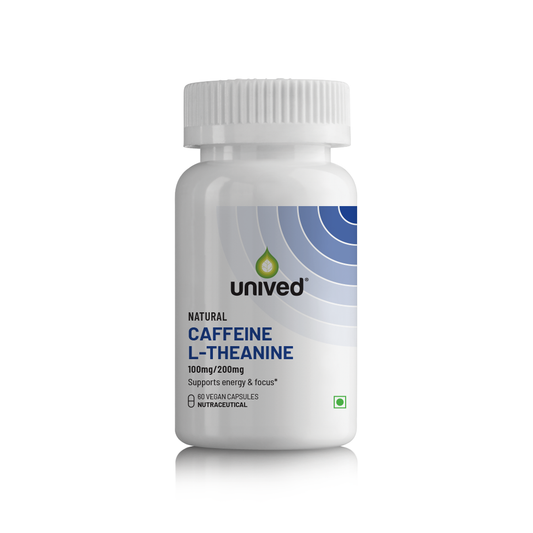
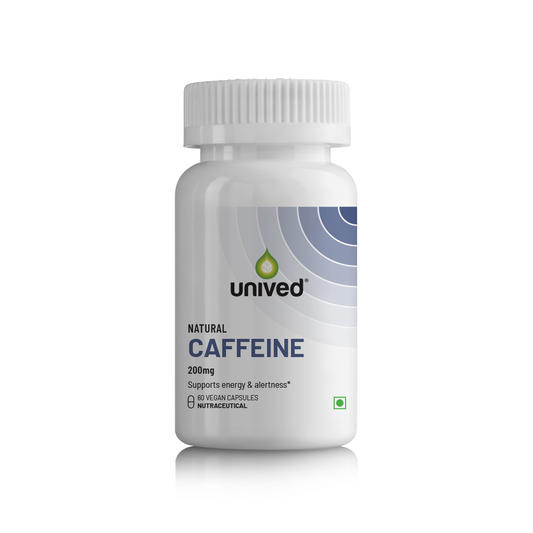
  • Caffeine vs. Caffeine + L-Theanine — which one do I take? They're built for different temperaments. Plain Caffeine 200mg delivers a stronger alert-and-aroused stimulation — useful for athletes who want full stimulant effect for short, intense efforts. Caffeine + L-Theanine (200/100) combines the same caffeine dose with L-theanine, an amino acid that promotes calm focus and smooths out the jittery edge of caffeine. The combination is favoured by athletes who want sustained focus without anxiety, particularly for skill-based sports, longer events, or anyone caffeine-sensitive. The "wired but not fried" version, if you want shorthand.
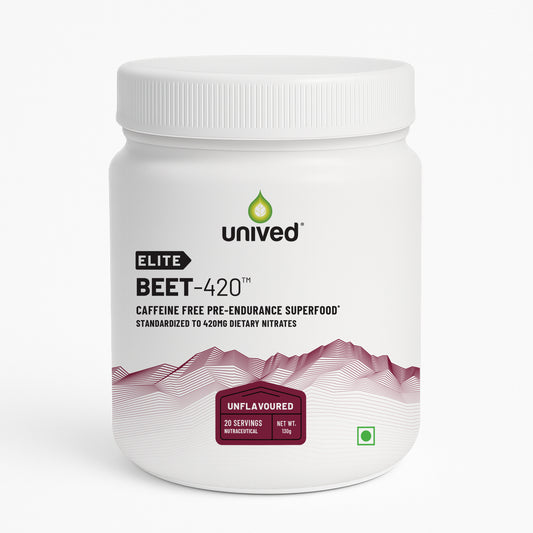
  • What does BEET-420 actually do, and how is it different from drinking beetroot juice? BEET-420 delivers 420mg of dietary nitrate — the active compound in beetroot that the body converts to nitric oxide, which dilates blood vessels and improves oxygen delivery during sustained effort. Drinking equivalent nitrate from raw beetroot juice would mean consuming roughly 500ml of concentrated juice, which most athletes find logistically inconvenient and gut-uncomfortable before training. BEET-420 delivers the studied dose in a concentrated form. The research is strongest for sustained efforts of 5–30 minutes — time-trial distances, intervals, and high-intensity endurance work. Take it 2–3 hours before the effort for peak effect.
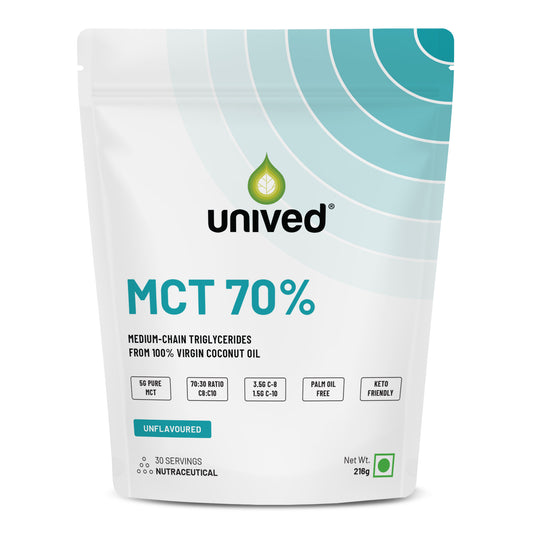
  • What is MCT 70%, and where does it fit in? Medium-chain triglycerides are a fat-based energy source the body can use without converting them through the standard fat-metabolism pathway. They appear in this category because some endurance athletes use them — combined with caffeine or alone — for fasted training, fat-adaptation work, or as a cognitive performance support for ultra-distance events. They're not a substitute for carbohydrate at race intensity; the body can't use fat as fuel above about 60–70% of maximum effort. MCT is a niche tool for specific protocols. If you're not on a deliberate low-carb or fasted-training protocol, you probably don't need it.
  • How much carbohydrate should I take per hour during long efforts? Current research supports 60–90g of carbohydrate per hour for sustained endurance efforts beyond 90 minutes, depending on intensity, body size, and gut tolerance. The 2:1 glucose-fructose ratio in Elite Gel 180 and the Elite Drink Mixes is what allows intake at the upper end of that range — single-carb formulations max out at about 60g/hour because of single-transporter saturation. The dual-carb formulation uses two transporters in parallel, allowing 90g/hour intake without GI distress when adapted. New to high-carb fuelling? Start at 60g/hour and increase gradually over training weeks. The gut adapts to higher carb loads with practice.
  • Should I take caffeine before every training session? No, and the science is unambiguous on this. Caffeine's performance benefit diminishes with chronic high-dose use because of tolerance buildup. Reserving it for key sessions — races, intense intervals, longer training rides — gives you the maximum effect when you actually need it. Athletes who take caffeine daily and find themselves "needing" it before every training session have built tolerance and are no longer getting the performance edge they think they are. Strategic, occasional use is more effective than habitual use.
  • Are these products WADA-compliant for competing athletes? All Unived Pre-Workout & Fuel formulations are free from WADA prohibited substances. Caffeine is permitted by WADA — it was removed from the prohibited list in 2004 — though some sport-specific federations (notably the NCAA) still monitor urinary caffeine levels. Athletes competing at elite level should review their sport's federation guidelines annually and confirm individual product compliance with their team physician.
  • How do I build a fuelling plan for a race? Three components, practised in training before race day. Pre-race (2–3 hours before): a normal breakfast or a familiar pre-race meal — not the day to try MCT or anything new. Caffeine 30–60 minutes before the start if you use it. BEET-420 the night before or 2–3 hours before for races where vascular support matters. During (every 20–30 minutes): target 60–90g of carbohydrate per hour using gels, drink mix, or both. Hydrate consistently. After (within 60 minutes): recovery fuelling with Elite Recovery Mix or Rebuild Protein depending on race type. Most failures on race day are failures of practice — anything you use on race day should have been used in at least three long training sessions first.