Speciality Nutrition Collection

Curated speciality nutrition

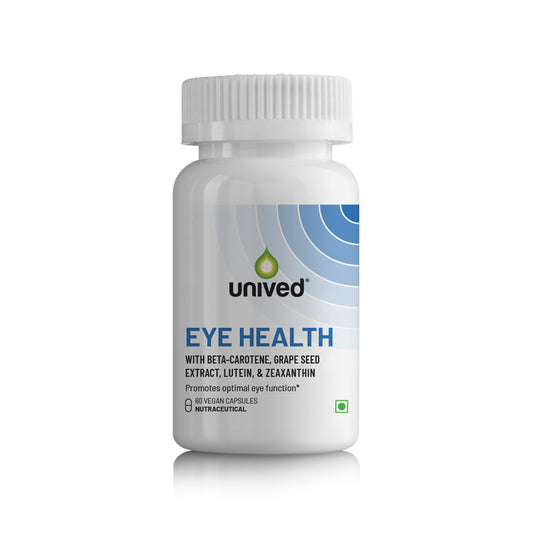
Most people start supplementation with the basics — vitamins, minerals, daily essentials. Speciality Nutrition is what comes after, when there is a specific concern you want to support: hormonal balance, gut function, eye health, liver function, skin clarity, or any of the targeted physiological systems where careful supplementation can help. Nineteen formulations across women's health, skin and beauty, and targeted system support. Always alongside the basics, not instead of them.

  • 21 Formulations
  • Specific Categories
  • 100% Batch Tested
  • Proprietary Blends
Speciality Nutrition

"A supplement supports the system. It does not replace medical care, dietary work, or the boring habits that do most of the lifting."

— Unived Formulation Standard

Curated Sets

Speciality Nutrition Bundles

Curated Collections

Life Stage Stacks

Nutritional needs shift significantly with age and
biology. These curated stacks address the specific
deficiencies and physiological priorities at each life
stage.

👩

Women

Iron, folate, vitamin D, hormonal support, bone density.

Women's Stack →
👨

Men

Testosterone support, zinc, vitamin D, cardiovascular health.

Men's Stack →
👦

Kids & Adolescents

Growth support, calcium, vitamin D, omega-3, age-appropriate doses.

Kids' Stack →
🧓

Seniors

B12, CoQ10, joint support, cognitive health, bone density.

Seniors' Stack →

Common Questions

Speciality nutriton questions, answered.

  • Where should I start in the Speciality Nutrition range? Start with the basics first — Vitamin D, B12, magnesium, a multivitamin if your diet is irregular. Most concerns improve more from a properly-supplemented foundation than from a targeted speciality product on top of an under-nourished baseline. Speciality Nutrition is what comes after the basics are in place, when there's a specific concern you want to support: hormonal balance, gut function, joint comfort, skin clarity. Pick one product addressing your most pressing concern, give it 8–12 weeks, then evaluate whether to add another.
  • Ovegha 500mg DHA vs 600mg DHA — which one do I take? Both are algae-sourced omega-3 — vegan EPA and DHA without fish. The difference is the DHA dose per serving. Ovegha 500mg DHA is the standard daily dose — adequate for general cardiovascular and brain support in healthy adults eating a varied diet. Ovegha 600mg DHA is the higher dose — relevant for adults specifically targeting cognitive health, those with elevated cardiovascular risk factors, vegetarians/vegans with limited DHA sources in their diet, or anyone whose physician has recommended a higher daily intake. Both deliver the same active compounds; choose by what you're trying to support. If you're not sure, the standard 500mg covers most adults adequately.
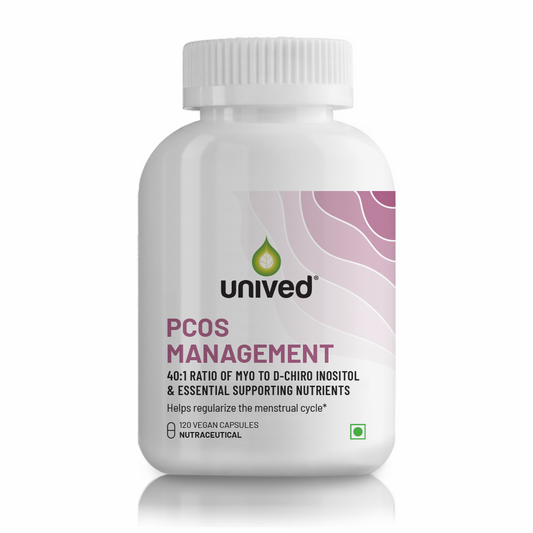
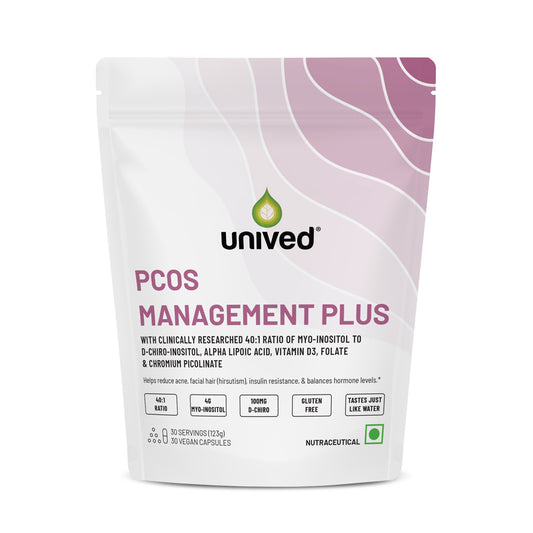
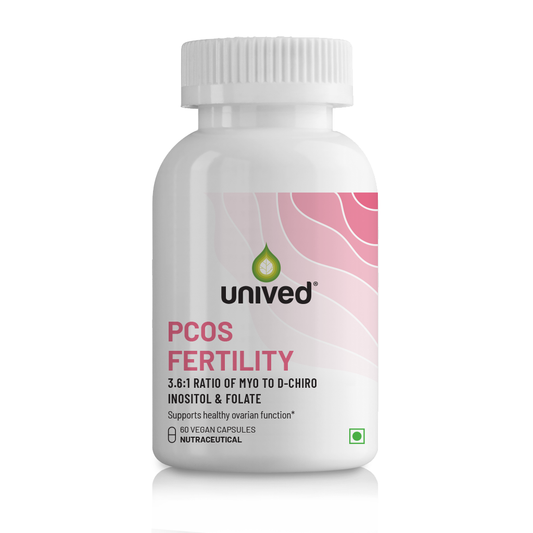
  • PCOS Management vs PCOS Fertility vs PCOS Management Plus Box — which is for me? Depends on where you are in your PCOS journey. PCOS Management is the daily foundational formulation — supports the insulin sensitivity, hormonal balance, and inflammatory pathways most relevant to PCOS. This is the right starting point for most women managing PCOS through supplementation. PCOS Fertility is targeted for women with PCOS who are actively trying to conceive or planning to — formulated around the reproductive-health pathways that PCOS commonly disrupts. PCOS Management Plus Box combines multiple PCOS-relevant products into a single bundle for comprehensive daily support — the most complete option if you want all the bases covered without piecing together a stack yourself. PCOS is genuinely heterogeneous — what works depends on your specific phenotype (insulin-resistant, hormonal, inflammatory, or a combination). Consider speaking with a gynaecologist or endocrinologist alongside any supplementation; what we offer supports the system, but the condition itself is medically managed.
  • What is Flora-17, and do I need a probiotic if I eat curd? Flora-17 is a multi-strain probiotic — 17 bacterial strains targeting gut microbiome diversity. Different strains support different aspects of gut function: digestion, immune support, mood and the gut-brain axis. Curd and other fermented foods do provide live cultures, but typically only 1–2 strains in variable amounts and quantities that may not survive stomach acid in meaningful numbers. A multi-strain probiotic provides broader, more consistent support, useful after antibiotic courses, during gut-disturbance situations (travel, illness, dietary changes), or as ongoing support if you have known digestive issues, IBS-like symptoms, or are recovering from gut-impacting events. For healthy adults eating a varied diet rich in fermented foods, daily probiotic supplementation isn't strictly necessary — but a course of 4–8 weeks of Flora-17 once or twice a year is a reasonable way to actively support microbiome diversity.
  • What does Collagen Builder actually do? Is it the same as collagen peptides? Collagen Builder supports your body's own collagen synthesis — the cofactors and substrates your body uses to build connective tissue, skin, hair, and joint structures — rather than supplying pre-formed collagen peptides from external sources. The choice between supporting endogenous synthesis vs. supplementing peptides depends on your goal. Synthesis support is generally adequate for healthy adults looking for skin, hair, and joint maintenance — the body produces collagen continuously, and the limiting factor is often the supporting nutrients (Vitamin C, glycine, proline, and others), not pre-formed collagen. Collagen peptides are sometimes preferred for specific protocols — visible skin elasticity work, tendon rehabilitation alongside structured loading, or post-injury connective tissue support. For daily maintenance and general skin/hair/joint support, Collagen Builder is the right tool. For targeted rehabilitation protocols, peptides may be the more direct fit.
  • What is Alpha Lipoic Acid, and who is it for? Alpha Lipoic Acid (ALA) is a universal antioxidant — it works in both water-based and fat-based compartments of cells, which is unusual and useful. It supports glucose metabolism, mitochondrial energy production, and nerve health. Most commonly relevant for: adults with insulin sensitivity concerns or pre-diabetic blood sugar patterns, adults experiencing peripheral nerve discomfort, and athletes or older adults supporting mitochondrial energy. Some research also supports its role in liver function and antioxidant defence. If you have diagnosed diabetes or are on glucose-lowering medication, speak to your physician before taking ALA — it can enhance the effect of those medications, which may need dose adjustment.
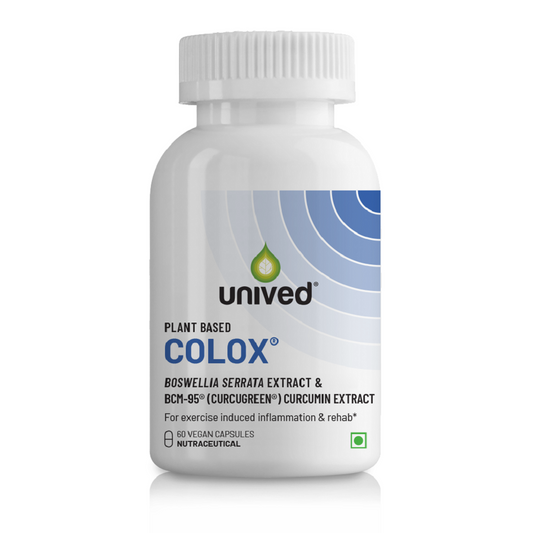
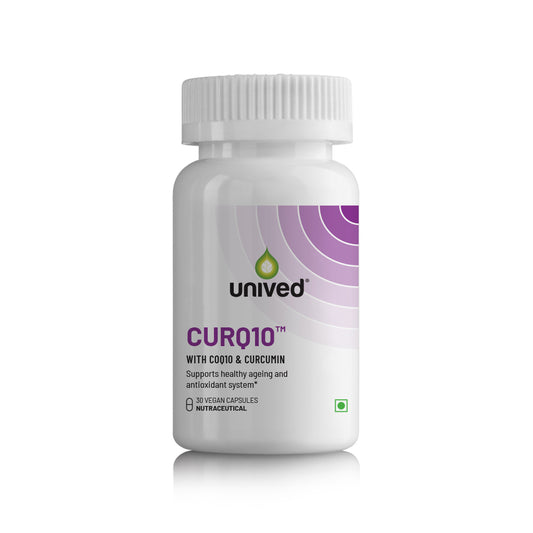
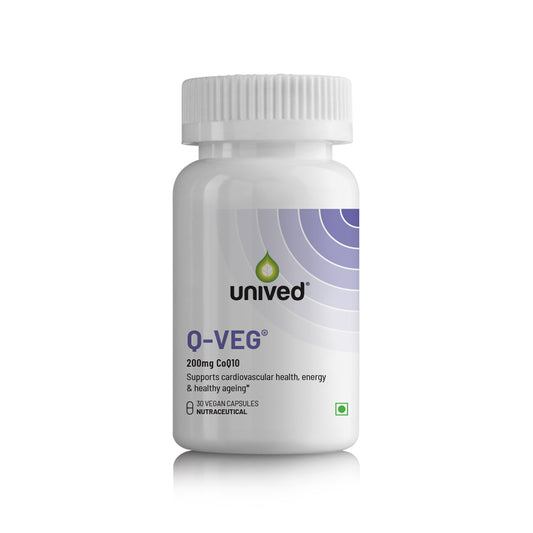
  • Can I stack multiple Speciality Nutrition products together? Often yes, but think it through. Many speciality products contain overlapping active ingredients — curcumin appears in CurQ10 and Colox; CoQ10 appears in Qveg and CurQ10; omega-3 in both Ovegha products. Stacking without checking overlap can lead to higher-than-intended doses of specific actives. A sensible approach: start with one Speciality product addressing your most pressing concern, give it 8–12 weeks to show effect, then evaluate whether to add another. If you're already on prescription medication, check with your physician before stacking — some supplements interact with medications, especially blood thinners, statins, and diabetes medications.
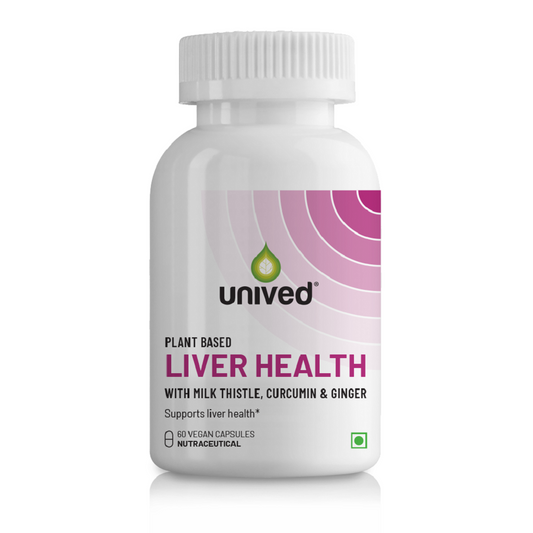
  • What's the honest version of what these products can and can't do? Supplements support physiological systems. They do not treat, cure, or prevent disease. PCOS Management supports the systems involved in PCOS; it does not "cure" or "fix" PCOS. Acne Relief supports the systems involved in skin clarity; it does not eliminate acne. Liver Health supports liver function and detoxification pathways; it does not treat liver disease. This isn't legal disclaimer language — it's how supplementation actually works. If you have a diagnosed condition, the medical pathway is primary; supplementation is supportive. If your concern is sub-clinical (early signs, persistent low-grade symptoms, general optimisation), supplementation can be genuinely useful — alongside diet, sleep, and the lifestyle work that does most of the lifting.
  • I'm not sure which products fit my situation. Can someone help me think through this? Yes. Write to wecare@unived.com with what you're trying to support, what supplements you're already taking, and any relevant medical context — a person from the team will respond, usually within a working day. For more structured guidance, the Get Guidance page on this site walks through the most common situations. For practitioner-led recommendations, our Practitioner Programme connects you with qualified doctors and nutritionists who work with our range.