Sleep & Recovery Collection

Sleep is where training actually works

Adaptation doesn't happen in the session. It happens in the hours after — in the post-session window and through sleep. Seven formulations built around the two windows where your body actually does the work: rebuilding from what you trained, and recovering deeply through the night.

  • 7 Formulations
  • 2 Recovery Windows
  • 100% Batch Tested
  • 0 Proprietary Blends
Sleep & Recovery

"You don't become a better athlete in the session. You become one in the hours your body uses to absorb it."

— Unived Formulation Standard

✓ Third-party tested ✓ COA published ✓ No proprietary blends ✓ 100% vegan ✓ FSSAI compliant

7 products

Evidence Standard

Why we publish our evidence grades

Every product in the Sports range carries a published evidence grade — High, Moderate, or Emerging — based on the available RCT literature. We publish evidence grades even when they're Moderate, because honesty about what the science does and doesn't show is more valuable than inflated confidence.

Our Evidence Standard →

Common Questions

Sports nutrition questions, answered.

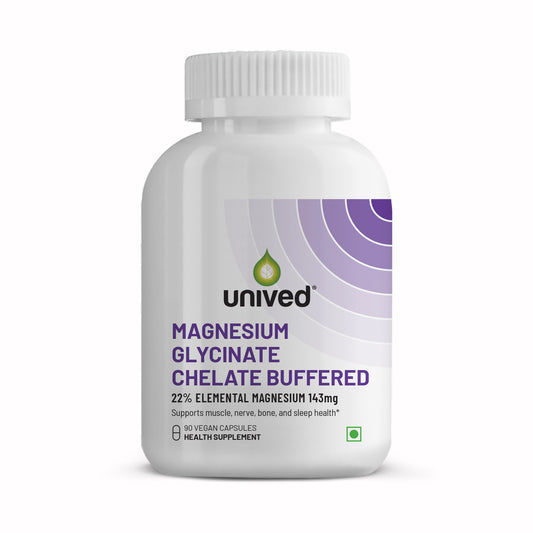
  • Three of these products contain magnesium — Magnesium Glycinate Pure, Magnesium Glycinate Buffered, and Luna. How do I choose? Magnesium Glycinate Pure is 100% bisglycinate chelate — the highest absorption per mg, best for athletes specifically targeting magnesium status or sleep quality without other actives. Magnesium Glycinate Buffered combines bisglycinate with magnesium oxide for a higher elemental yield per serving at a lower cost per mg — the better everyday option for general supplementation. Luna is a sleep-focused formulation that pairs magnesium with L-theanine and glycine, the latter two of which have independent clinical evidence for sleep onset and sleep depth. If sleep quality is your primary goal, Luna does more than magnesium alone. If you want clean, single-ingredient magnesium, choose Pure for absorption or Buffered for dose.
  • Will taking Luna and a Magnesium Glycinate together cause too much magnesium? No. Luna contains a moderate magnesium dose paired with L-theanine and glycine, so stacking it with a Magnesium Glycinate Pure or Buffered won't push you near the upper tolerable limit for healthy adults. That said, most athletes don't need both. If you're taking Luna for sleep, the magnesium in it is usually sufficient. Consider adding a separate Magnesium Glycinate only if you're addressing a measured deficit, training in high heat with heavy sweat losses, or if your physician has recommended a higher daily intake.
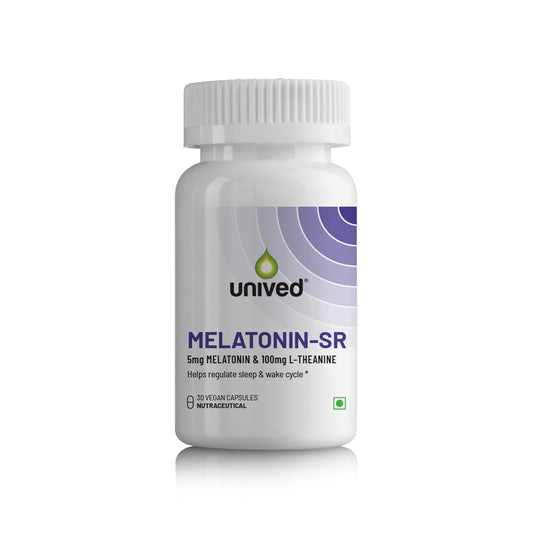
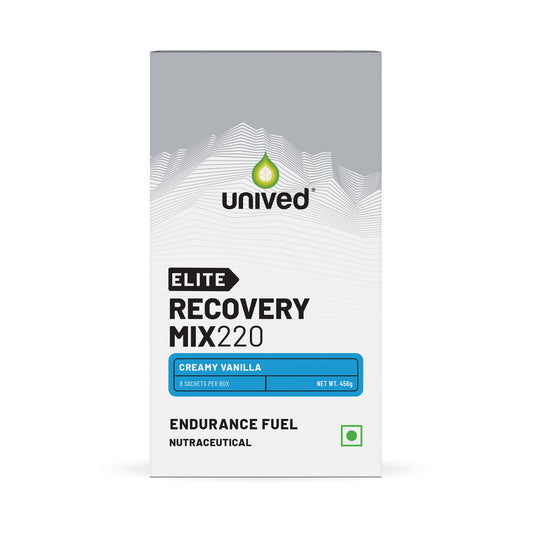
  • When should I take each product — Melatonin, Rebuild Protein, Elite Recovery Mix, ZMA, and Luna? Timing matters more for these products than dose. Elite Recovery Mix goes in the first hour after endurance or long sessions — that's when glycogen replenishment is most responsive. Rebuild Protein goes post-session after strength or hypertrophy work, when protein synthesis and muscle repair are the priority. Magnesium Glycinate and Luna are evening products, taken 30–60 minutes before sleep. ZMA is taken on an empty stomach before sleep (calcium and dairy interfere with zinc absorption). Melatonin is taken 30 minutes before intended sleep onset, and only when circadian disruption is the actual issue — not as a daily sleep aid. Because ours is slow-release, it supports sleep through the night, not just falling asleep.
  • What's the difference between Rebuild Protein and Elite Recovery Mix? They're both post-session formulations, but built for different kinds of training. Elite Recovery Mix is 4:1 carb-to-protein — the ratio endurance research supports for fastest glycogen replenishment after long sessions, races, and high-volume aerobic work. Rebuild Protein is the inverse priority: pea + yeast protein for muscle protein synthesis, with 3g creatine and electrolytes built into the same scoop. Use it after strength training, hypertrophy work, or any session where the goal is muscle repair rather than glycogen. Most athletes who train both ways use both products on different days.
  • Is melatonin safe for daily use? Will I become dependent on it? Unived Melatonin is a slow-release formulation, designed to release across the night rather than as a single spike — this matches the body's natural overnight melatonin curve more closely than immediate-release products, and helps with sleep maintenance, not just sleep onset. At physiological doses (which is how we formulate it — most over-the-counter melatonin uses doses 5–10× higher than necessary), melatonin is generally regarded as safe for short-term use. It is not habit-forming the way sedatives can be, and supplementation doesn't suppress the body's own melatonin production in healthy adults. That said, daily indefinite use is not what melatonin is designed for. It works best as a tool for specific circadian problems — travel across time zones, shift work, late-evening training disrupting sleep. If you need help sleeping every night, the underlying issue is usually elsewhere (sleep hygiene, caffeine timing, magnesium status, stress load) and should be addressed there first.
  • Do I need to take ZMA if I'm already taking a Magnesium Glycinate? Usually not. ZMA's value comes from the zinc and the synergistic ratio with magnesium and vitamin B6 — relevant if you train fasted, eat low-zinc, sweat heavily during high-volume training phases, or specifically want to support overnight hormonal recovery. If you're already supplementing magnesium and your diet covers zinc (meat, seafood, legumes, seeds), ZMA is redundant. If you're in a heavy training block or your diet runs zinc-light, ZMA can replace your standalone magnesium rather than stack with it.
  • What is the best supplement for sleep quality for athletes in India? There is no single answer — sleep quality is multi-factorial, and the best supplement depends on what's actually disrupting your sleep. For athletes who fall asleep fine but wake unrefreshed, magnesium status is often the limiter — Magnesium Glycinate Pure or Luna address this. For athletes who struggle with sleep onset due to elevated training stress, Luna's L-theanine and glycine help shift the nervous system toward parasympathetic activation. For athletes who fall asleep but wake at 3 or 4 a.m. and can't get back to sleep, slow-release Melatonin can support sleep maintenance through the night. For circadian disruption from travel or shift schedules, Melatonin is also the right tool. For overnight hormonal recovery during heavy training blocks, ZMA. The honest answer: identify what's actually wrong before picking a product.
  • Can I take these products if I'm on prescription medication for sleep, anxiety, or blood pressure? Speak to your physician before supplementing. Melatonin can interact with blood thinners, immunosuppressants, and some diabetes medications. Magnesium at high doses can affect absorption of certain antibiotics and blood pressure medications. ZMA's zinc content can interfere with some antibiotics if taken concurrently. None of these are reasons to avoid the products if your doctor clears them — but supplementation is not a substitute for, or a casual addition to, prescribed treatment.
  • Are these products WADA-compliant for competing athletes? All Unived Sleep & Recovery formulations are free from WADA prohibited substances, and our third-party testing protocol includes contamination screening. That said, athletes competing at elite level should review their sport's federation guidelines annually and confirm individual product compliance with their team physician — regulations vary by sport, by competition level, and by year as the WADA Prohibited List is updated.
  • How long before I see results? Depends on what you're measuring. Sleep quality improvements from Magnesium Glycinate or Luna are typically noticed within 1–2 weeks of consistent evening use. Post-session recovery products (Elite Recovery Mix, Rebuild Protein) work session-by-session — you should feel the difference the next morning after using them. ZMA's effects on overnight hormonal recovery accrue over 3–4 weeks of consistent use during training. Melatonin's effect on sleep onset is immediate but only relevant for circadian-disrupted nights. No supplement compensates for chronic short sleep or chronically inadequate recovery — they support the system, they don't replace the basics.